
Showing posts with label comparison: movies. Show all posts
Showing posts with label comparison: movies. Show all posts
Thursday, May 27, 2021

Wednesday, September 16, 2020
Yesterday vs. Blinded By the Light


Let's talk about two movies that featured a brown British main character and his connection to two very legendary musical figures. Both of these movies are movies I probably wouldn't normally see, but because it highlights a person of color I feel like it would add a different perspective. I find the timing interesting for both of these films and I was curious how they both compare to each other. I will preface that both films are very important to the global filmography because representation matters!


Yesterday follows Jack Malik, an aspiring musician, who struggles to find recognition for his art. After a car accident, the world shifts and forgets its global phenomenons The Beatles, Harry Potter, and many other notable pop culture icons. Of course, the story mainly focuses on the impact of The Beatles. I mean it's in the title. Jack finds instant fame as he performs very notable tracks by the band as the world has never heard the songs before.
For me, the movie spotlights the importance of musical history and appreciation. It ocassionally shows the dark side of fame, which seems to be some sort of requirement for musician development movies. We see all of this through Jack's eyes; the good and the bad.
I enjoyed the character development, especially with Jack's family, friends, and love interest. The performances were a nice emotional touch for our characters and gave a nice recreation of Beatlemania through modern eyes. The story has some good humor as well especially with some fo the cameos, mainly from Ed Sheeran.


Blinded by the Light follows British-Pakistani Javed who is trying to live his life with his family in England and explore his passion for writing. His ambition to get his voice heard grows after his teacher encourages him to enter a contest and more importantly a friend introduces him to "The Boss" Bruce Springsteen. His world drasticly shifts as Springsteen's lyrics connect to his struggle with identity and society's issues with race.
I'm not a big Springsteen fan, so my motive for watching this was to see if there was some similarities to Yesterday's story. Not necessarily people forgetting but possibly having two aspiring musicians as main characters. Obviously, that isn't the case as this story is inspired by the real person named Javed who was changed by Springsteen's lyrics.
The thing I really appreciated about this film was how relatable the story is to present day. Yes, it's a sad truth that nearly everyone has an immigration acceptance problem. Sorry, America, you're not the only racially problematic country in this world. Just watch Hate Thy Neighbor and you can still see Javed's struggle still thriving decades later. There's also the battle of dual identity: wanting to take on or assimilate to one culture while still honoring your family's heritage. The best way Javed was able to describe this struggle was Springsteen's music.
One unifying factor between these movies is the power of music. Whether it's inspiration, emotional expression, or nostalgia, music is an important part in society. Somtimes we forget its significance or that past music can still be relevant to today's harships. These two movies express these ideas in different ways and I feel that they are both effective.
Initially, I was more drawn to Yesterday as I appreciated the humor and the concept of appreciating and celebrating the past. But the more I write, I'm starting to lean towards the more personal message of Blinded by the Light, despite not being a Springsteen fan. Either way, both offer a different experience that both encourage self reflection and perhaps trigger a more emotional nostalgic feeling.
Sunday, April 16, 2017

Friday, October 4, 2013
Last House on the Left: 1972 vs. 2009
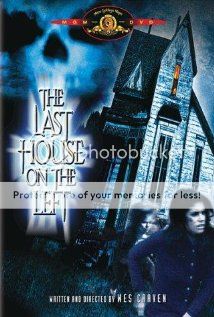
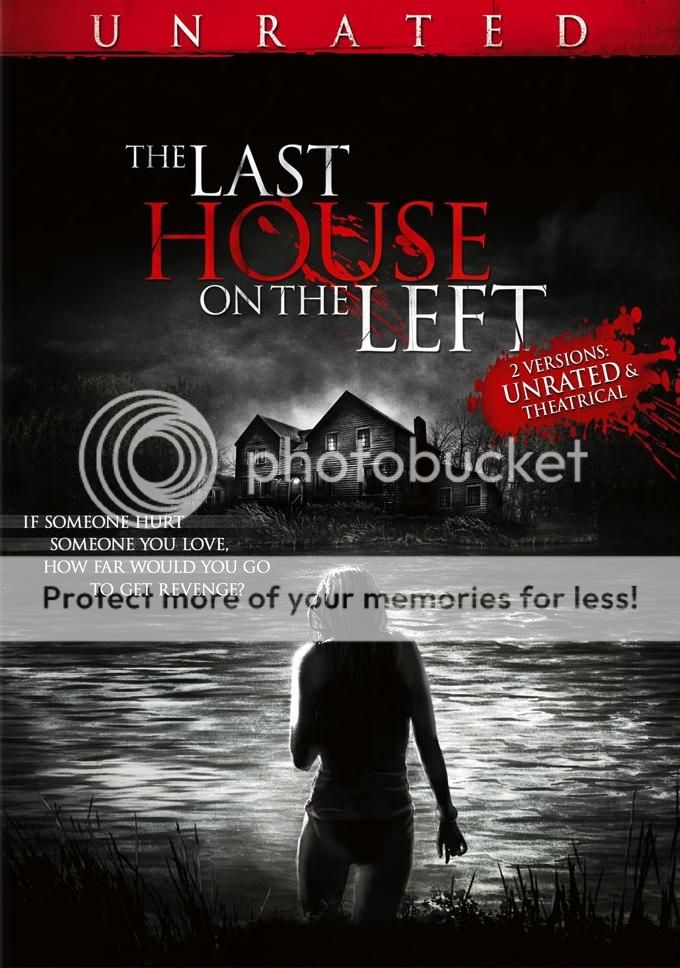
My journey began at my workplace when I saw the remake of Last House on the Left on the shelf. It got checked out fairly often, so I was curious. I’ll admit I had some low expectations and assumed that it would be the same excessive violence and unnecessary nudity seen in current horror. To my surprise, I really enjoyed what I watched. It was something different, the elements were balanced, and overall it was just satisfying. So, I ended up buying it the first chance I got and it had been a long time since I bought an American horror movie. What I didn’t know until later was that this movie was actually a remake. I wasn’t too encouraged to check out the original, until a friend began watching and expressing her disappointment toward it. Curiosity was piqued and recently I willed myself to rent it.
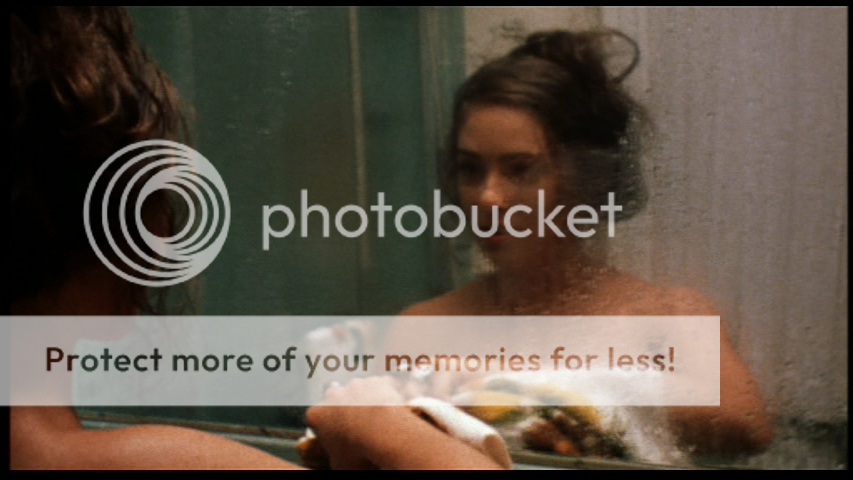

Mari is your typical teenage girl who wants to indulge in a little freedom with her friend. She has a good, close connection with her parents and they are moderately protective of their daughter. They're a little reluctant on letting Mari go out with her friend, but they give her permission to do so. Everything seems pretty normal between the girls and, in both versions, they are both lured away by a shy boy with a promise of marijuana. Unfortunately, their drug score gets turned into a potentially unsettling kidnapping.
The original movie was directed by one of my favorite horror movie directors, Wes Craven, and the remake was produced by him. When it comes to Wes Craven movies, I have set expectations for his work as a fan of the Scream and Nightmare on Elm Street franchises. From what I heard about the original, it was said to be controversial due to humiliating actions toward the victims. [**Spoiler** In short, rape and forced lesbianism (which is actually cut out of the movie)] Some of these controversial actions were recreated in the remake, but were modified to suit the viewers of that time. So, what can I say about both movies without giving away my conclusion too early.
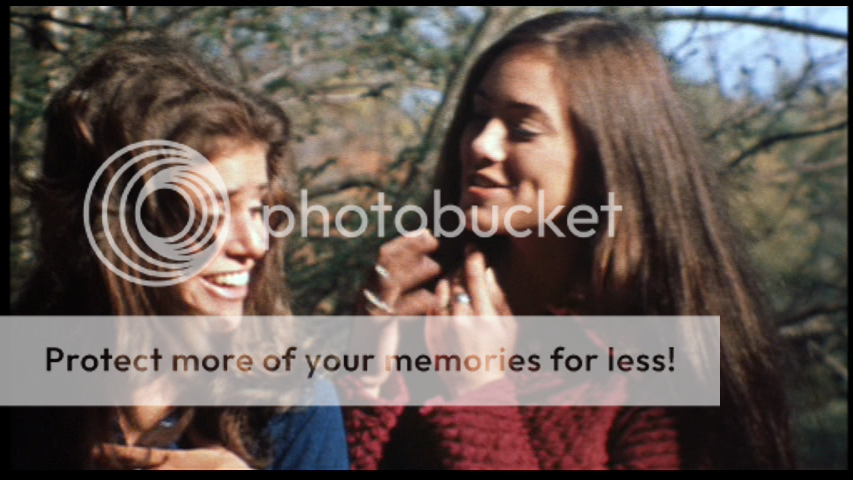
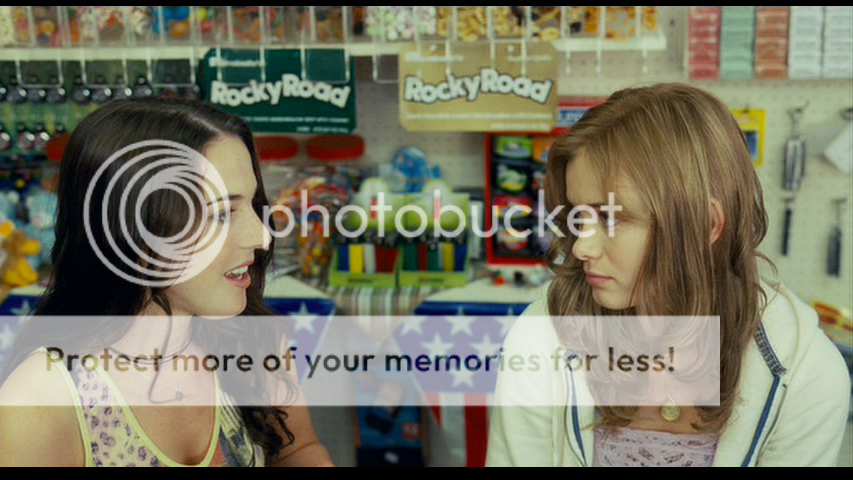
Despite seeing the remake first and watching Cinema Snob’s take on the movie, I wasn’t completely sure what was going to happen. How close was the remake to the original? Did it leave out important details or add unnecessary elements to it to appeal to the new generation? Well, it did take a lot of the same scenes, characterizations, and even a bit of dialogue from the original. Unlike the remake of Nightmare on Elm Street, it kept the impact of those recycled elements while adding a little modern taste to it. There are things that are modified or removed from the remake, but I think it was for the better.
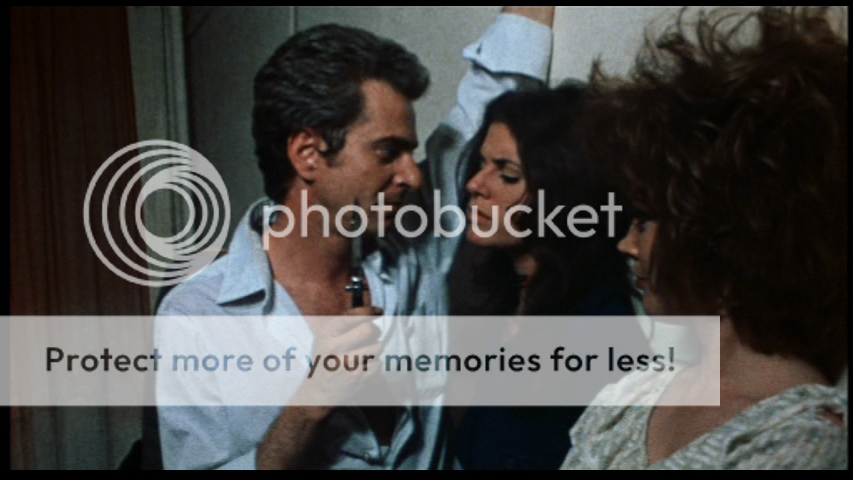
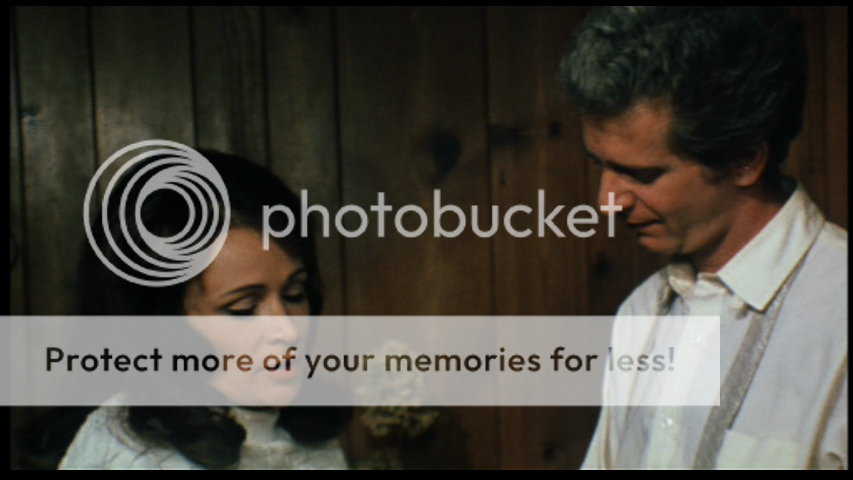
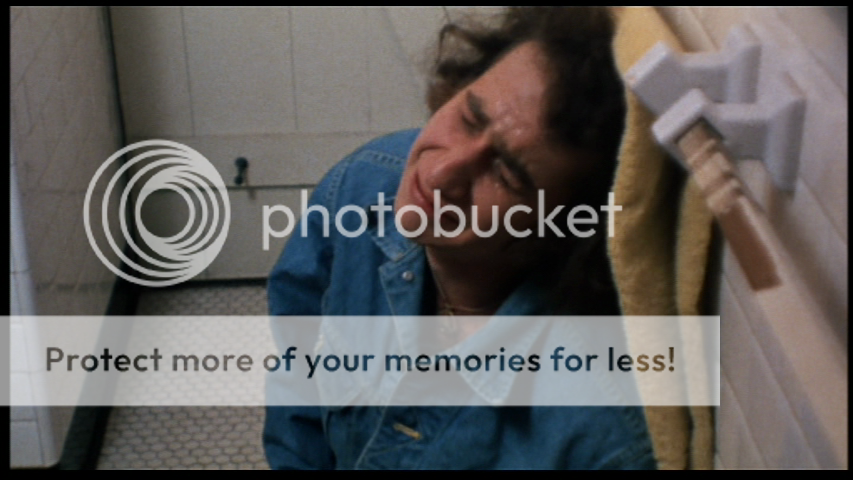
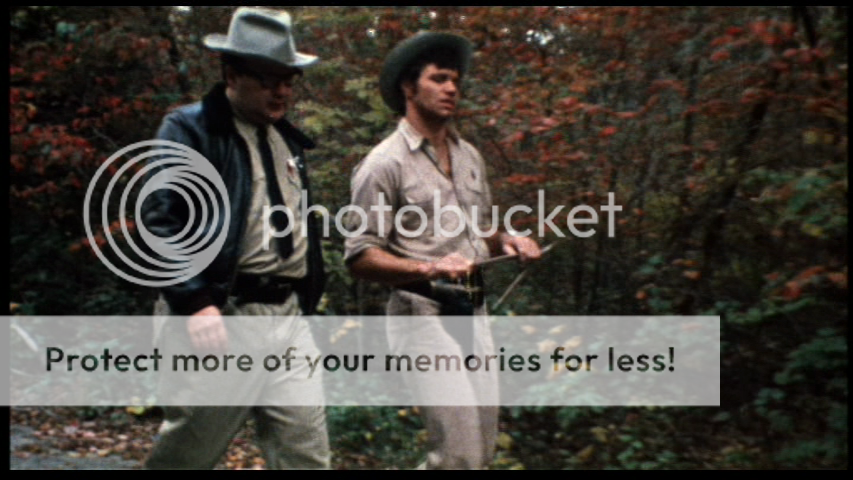
Let’s start with the things I liked from the original! For that time, I can understand the controversy surrounding the kidnappers and the girls. Even watching it now, you still feel sympathy, desperation, and humiliation for the girls. You really want them to survive and get away with minimal scars. There’s a definite attachment. The chemistry between the antagonists are convincing, entertaining, and effective. They’re definitely sick individuals who get off on humiliation and enjoy being that way. I also enjoy the sweet and satisfying bond between the parents. They have a good relationship with their daughter and their love for her shows through their actions and words in a realistic way. They also maintain a great relationship between each other when Mari is not with them and that bond stays consistent throughout the movie.
As much as I enjoyed the characters, their development, and the actions they take on, the flaws of this movie really put me off from really enjoying this movie. Ignoring the less than perfect camera work, which I can easily forgive because of the time period, I could not get over the overwhelming campiness. A good soundtrack could easily boost a movie’s effectiveness (see Bangkok Love Story), but a bad one could also easily drag a movie down. I’d rather have a forgettable soundtrack than one that distracts me from the tone of the movie. There was an overwhelming amount of campy, upbeat music in this movie. It completely ruined the mood for many scenes throughout this movie and I wish the soundtrack took things more seriously or maybe not exist at all. I know the 70s were plagued with camp, but for a movie that was considered controversial for its time, the silliness of the soundtrack was very off putting. There was also the comedic relief characters presented in cop form. I’ve seen many horror movies with dumb and incompetent officers, but this has to be the winner of dumb cops. This is a different category of dumb than the SWAT team of [Rec] ², since they made unrealistic dumb choices. No, these cops come from those 70s shows that would accidentally lock their keys in the car. Their presence was completely unnecessary. They didn’t help progress the story nor influenced the conclusion to the situation. All of their scenes completely interrupted the flow of action as they try to get ride on top of truck full of chickens
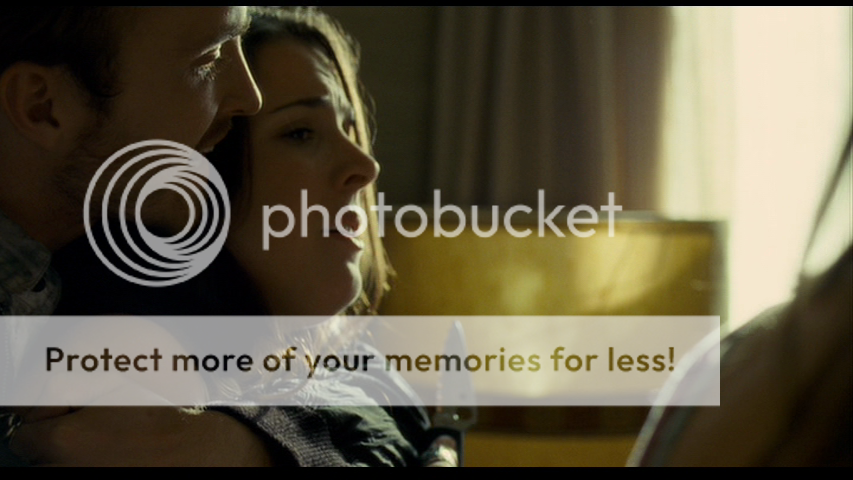
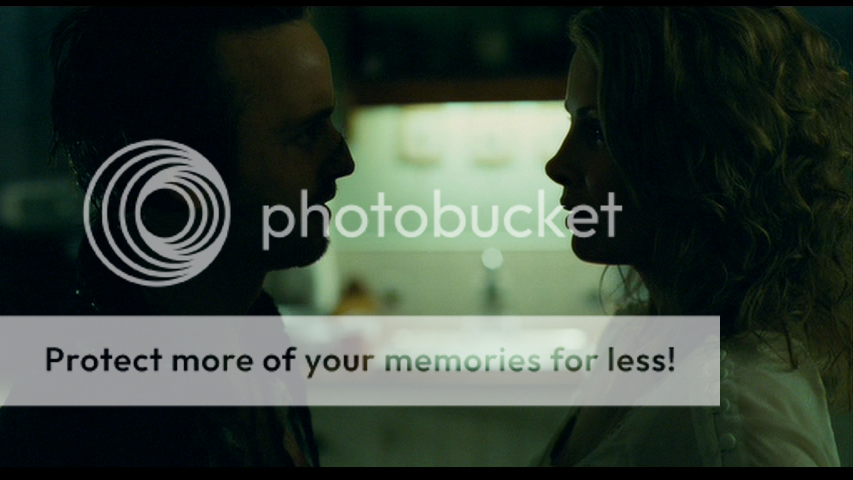
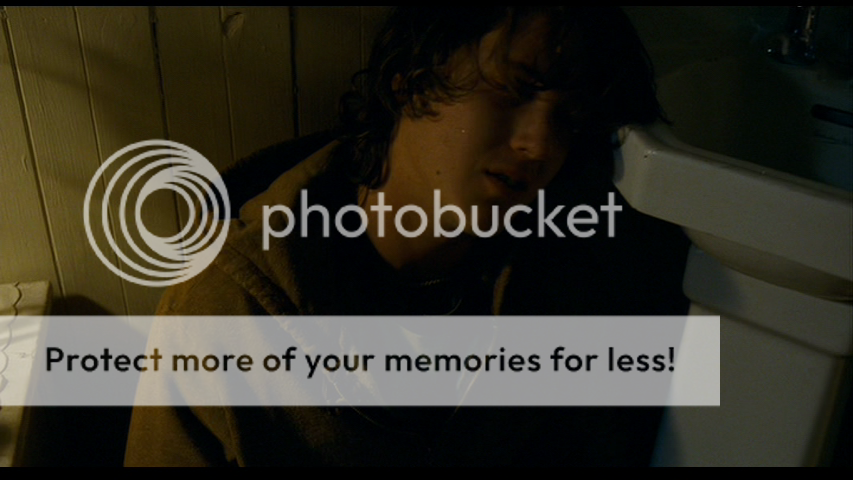

Since I had a major complaint about the original that it lowered my score, I must have a lot to say about the remake. Surprisingly, I don’t. I had to think and think about it, even while re-watching the movie and there are no major flaws that stick out for me. There might be a little bit of unnecessary nudity, but that was present in the original as well and didn’t bother me in either version. The gore and violence might’ve been a tad bit overboard, but it felt more satisfying than annoying. In fact, my father enjoys this movie and he is far from being a horror movie fan. He stays away from it. The Walking Dead is too much for him, so hopefully that paints a better picture for you. Something I didn’t pay attention on previous viewings of the remake was the soundtrack. I have no complaints there either. There’s one song that’s pretty stereotypical of being on one of those teen dramas, but it fit the scene. What about those annoying cops? Well, they’re in the beginning of the movie and are quickly disposed of and actually add a little something to the antagonists. One thing I found amusing was their mention of a chicken. Perhaps a small nod to the original? But for what little time they were on screen, they were far from being some sort of comedic relief.
The characters are kept the same and are even more fleshed out than the original, which probably adds a little to the length of the movie. I didn’t mind that at all. Although a lot of the scenes were reused, they have a modern makeover that is just as effective as its predecessor. The parts that were taken out also don’t hurt the movie at all. Although the violent actions were intensified to fit the current times of horror, it didn’t go overboard and gave a sense of satisfaction or disapproval, depending on the character. Without any spoilers, I enjoyed the conclusion of the remake more. The original’s ending lacked steam upon reaching the climax and the end felt a bit open ended. With the remake, there was a sense of urgency and even though it was quite a cruel way to end, it felt satisfying and less open ended.
It’s a rare occurrence for a remake to be as good or even better than the original, but in this case, I enjoyed the remake more than Wes Craven’s original. I do appreciate what he did with it and the boundaries he pushed with it, but the campiness of the movie took me out of the serious and urgent situation. The remake does a great job of keeping the integrity of the original while updating it and maintaining its emotional effectiveness. It doesn’t rely too much on violence and gore or go overboard with either of those elements. If you’re curious about both versions, I would suggests going the opposite what I did and watch the original first, but if you’re not really into comparing, I recommend the 2009 remake.
Monday, July 23, 2012
The Little Shop of Horrors: 1960 vs. 1986


The Little Shop of Horrors is probably one of my favorite musicals. I saw the 1986 version many times growing up and it was the only version I knew of. Recently, I discovered that Jack Nicholson was part of the original version of the movie when I stumbled across the DVD at work. With that, I felt obligated to watch it and compare.


Seymour is a young, nerdy man that works for Mr. Mushnick as a florist. The shop has been receiving low business and they struggle to figure out ways to lure customers to their shop. Despite the poor business, Seymour is not only passionate about flowers, but he is very fond of his simplistic and sweet co-worker Audrey. Secretly, Seymour has been working on a project at the home that he shares with his hypochrondriac mother Winifried and brings the new species of plant he was raising to the shop. He gives it high quality soil and food to make it grow, but is puzzled and pressed for time to make it blossom to impress Mr. Mushnick and keep his job. After a little accident, he learns that his plant is not an ordinary plant that requires water and sunlight, but it is a carnivous one. Once Seymour runs of out fingers to prick and offer blood, he is pressured to find people to feed his plant, Audrey Jr..
Between both versions of the movie, the story is pratically the same. There are some differences of course. In the 1960's version, we get to meet a few of the customers quite regularly. There are more supporting characters than background. Viewers get a chance to see Seymour's living arrangement and meet his mother, which is not presented in the remake. The original is also not a musical. The 1986 version is actually based off the stage play that is based off of the 1960's movie. Lastly, the endings are different.


So, let's begin with comparing the characters starting with our protagonist Seymour played by Jonathan Haze and Rick Moranis. Both characters are the shy, clumsy, nerdy types, but I believe that Haze's portrayal seemed more incompetent than Moranis's. They were both loveable and you can truly sympathize with these characters and what they had to go through to impress Audrey, Mushnick, and most importantly pleasing Audrey Jr. If I had to pick a favorite, I enjoyed Moranis's version. Haze's portrayal seemed too incompetent and clumsy for my liking as Moranis seemed more realistic by not cheesing it up too much.
Jackie Joseph and Elle Greene play the love interest Audrey Fulquard and the characters are quite different, but not too much of a gap. Joseph's character was sweet, simple, and everything seemed so "lovely". It fit the time period of the movie. While Greene's character was just as sweet, she had this annoying speaking voice to me, although her singing is quite great. Strangely, I prefer the simple Joseph version.


Mel Welles's portrayal of Gravis Mushnik seemed a little harsher than Vincent Gardenia. It seemed like the dentist's purpose seemed more useful in the remake than the original. Steve Martin definitely had more screen time and left more of a lasting impression than John Shaner's brief appearance. They were both untrustworthy, sadistic dentists, but Martin's character had more of a relationship and conflict with the main cast. Bill Murray and Jack Nicholson both played the masochistic patient in a slightly different way. They both enjoyed pain, but Murray seemed more comical with his character and fit the tone of the remake while Nicholson seemed almost creepy with his excitement during his dentist visitation. Then there are the plants Audrey Jr. and Audrey II. Audrey Jr. had simple dialogue and was more manipulative to get what it wanted from Seymour whether it was by guilt tripping him or putting a hypnotic spell on him. While Audrey II had more attitude and sass. It was demanding as well, but seemed like more of a threat to the main cast. Even though they weren't in both movies, I really appreciated seeing Seymour's mother and her interaction with her son. I also enjoyed Crystal, Ronette, and Chiffon who were like narrators in the remake. They made the transitions entertaining and helped the tone for each scene.
If I had to choose which version I prefer more, I guess my bias lies with the 1986 version. Putting my sentimental attachment aside, I liked the storytelling better than the original, the characters seemed more interesting, and the ending was a bit more satisfying. Now the original isn't terrible at all, it's definitely worth seeing as well. The story is a little different in places, but it's just as entertaining. The ending was less satisfying for me though. It was a bit of a downer, but not all movies can have cliffhangers or happy endings. If you haven't seen either version, I advise you to check them out and if you can, go experience the stage play. If you have seen either or both versions, tell me your thoughts on the film and even the stage play below.
Friday, December 2, 2011
Boys Love vs. Schoolboy Crush (a.k.a Boys Love: The Movie)


It's been a while since I covered any boy love movies. I still enjoy them. I decided to re-watch Boys Love before watching the theatrical version. Some places label it as a sequel, but the stories are not connected in any way. Their biggest similarities is that the older main character is played by Yoshikazu Kotani and the younger man seduces him somehow. There's also some smaller details they share as well, such as the glasses character and his involvement with both characters and a rape scene that shifts the story greatly.


In Boys Love, Taishin Mamiya is a magazine editor interviewing a young student and model's artwork by the name of Noeru Kisaragi. Mamiya notices a piece that stands out from the others, but Noeru doesn't want to discuss it. After they're done, they go out to eat and Noeru seduces Mamiya during a restroom trip at the restaurant.


In Boys Love: The Movie (or Schoolboy Crush), Kairo Aoi is dealing with a break up with his girlfriend by paying Amakami Sora for sex one night. We learn that Aoi is a teacher at a private all boys school and Sora transfers in. Aoi struggles to keep their past hidden, but they're constantly on each other's minds.
Both stories are entertaining and done very well. Both movies are directed by Kōtarō Terauchi and has been turned into manga form. My main reason for watching this movie, two words: Saito Takumi. Also helped that the story sounded interesting as well for a shounen ai movie.


It's hard to pick which movie was better as they both share elements I really enjoyed. I liked how the director added in meaningful quotes from notable people to match the mood of the scene. The actor choices for each character were very well chosen and the story had the right amount of drama, even though the ending is a little open ended to the viewer's imagination. I also liked the contrast of the two stories as well. There's still a tension filled love triangle, tragedy, and believable emotion. Although, Boys Love: The Movie seemed almost straight from a manga, but it had as much substance as its counterpart. On the other hand, I disliked about the same details in both movies. They both have a bittersweet ending to them and, at times, I thought Noeru and Sora overreacted to certain things.
Once again, I think I'll leave this one to you readers. Which one did you prefer?
Sunday, May 29, 2011
Sadako's Message to the World: My Ongoing "Ring" Analysis
Ever since it's American release, I've been hooked to the franchise. It was different and fresh, then I learned that it came from Japan. Not only did this kick off the trend of Asian horror remakes, it got me further interested in exploring the genre personally. At the moment, I'm still hooked and find this journey of comparison to be an interesting and long one. It is far from complete, but I wanted to share my findings so far with you and perhaps spread the spark like Sadako/Samara.
 Although my journey started in America, the story originated from a novel with the same name by Koji Suzuki. It is a three book series that starts off with a male character. Later, it was adapted into a 5 manga series, a movie, TV series, a remake in the U.S. and Korea, and even a video game. But I'm skipping a few things like the TV series, Korean remake, and the video game. So far, I have read the first novel, four volumes of the manga, have seen both American movies, and 3 out of 4 of the Japanese anthology.
Forgive me if I forget anything as I explain my comparisons. Some of these pieces I haven't seen in a long time, so I'm going from memory mostly.

From the novel to the American remake, all of these elements are the same in a general sense. In Koji Suzuki's novel, we follow Kazuyuki Asakawa who works as a newspaper reporter in Tokyo. I believe in both movies, the main characters are connected to the newspaper or some sort of news media. Asakawa's partner is a friend by the name of Ryuji Takayama who was a philosophy professor and a self proclaimed rapist. In the Japanese movie, Ryuji is the main character's ex-husband/father of her son. Asakawa is still married and has a daughter and in the movie, the main characters are not married and have a son. Also, the main character in both movies are female.
From the novel to both movies, the curse tape is different. In the novel, it is more detailed and longer. It also has messages in the beginning and end of the tape hinting that there is a solution to stop death after watching the disturbing images. In my opinion, Ringu has a creepier tape than The Ring. There are also different causes of death between the book and movies. One having to deal with shock of a disturbing self reflection on surfaces to heart problems to a new form of the smallpox virus.
 The back story of our antagonist Sadako/Samara varies as well. In the novel, she is a hermaphrodite and, in the movie, it is assumed she is fully a woman. Her psychic abilities vary from the novel to the movies. Also, her struggle with her father and relationship with the doctor that was working with him are different between the two. In the movie, her father was responsible for hurting her and tossing her in the well, but in the novel, the doctor raped her and put her in the well. Both forms of media reveal that Sadako/Samara didn't die right away.
As we move onto the sequel of both movies as I haven't gotten around to reading the next novel, the continuation varies. During the hype of Ringu, another director picked up the movie and decided to create a sequel in the same year which ended up not doing as well. Later, the original director went on to make a sequel of his own which had a slightly better reception and totally different direction. In my opinion, Ringu 2 was a slightly better sequel than Rasen. In Ringu 2, we discover that Reiko and her son survived the curse and we follow Ryuji's student Mai as she tries to figure out what happened to Ryuji. Similar events occur and we learn that Reiko's son has picked up Sadako's supernatural powers. This element becomes the focus of the movie. Rasen goes with the virus theory, but is hard to explain how it can be realistically contracted through reading the words of the horrible events or watching the tape. The main character is still Mai and the story remains to make sense as a continuation to the first movie by connecting it with an autopsy of Ryuji. The doctor, Mitsuo, investigating his death and the tapes also has a personal connection to Ryuji. My reasoning for not liking Rasen as much is because it takes a strange twist. Mai and Mitsuo develop a fast relationship which leads to some crazy reincarnation/birth of Sadako and some awkward moments that were way out there. In the end, Ringu 2 followed more of Koji Suzuki's vision from what I've read in my sources. I look forward to finding that out myself.

I'm assuming the manga series follows closely to the novel as I've gotten further in the manga than the novel series. From my observation, it does match up with a lot of the events that occur in the original movie franchise and continues to intrigue me to delve further in my research. I hope, in the near future, I can add on to my comparison of Sadako's message to the world.
Although my journey started in America, the story originated from a novel with the same name by Koji Suzuki. It is a three book series that starts off with a male character. Later, it was adapted into a 5 manga series, a movie, TV series, a remake in the U.S. and Korea, and even a video game. But I'm skipping a few things like the TV series, Korean remake, and the video game. So far, I have read the first novel, four volumes of the manga, have seen both American movies, and 3 out of 4 of the Japanese anthology.Forgive me if I forget anything as I explain my comparisons. Some of these pieces I haven't seen in a long time, so I'm going from memory mostly.
No matter if the main character is male or female, it all starts the same. Four teenagers watched an unmarked video tape in a cabin and coincidentally they all died a week later. The main character is related to one of the victims and carries the story by investigating the tape. During their investigation, they tell someone close to them about the tape and they end up helping with the investigation (as well as have a deadline of their life tagged onto them with the main character). **spoiler alert** Things heighten when the main character's closest family member(s) view the tape and the search for a resolution on stopping death is quickened. During the investigation, the main character and their partner learn that this is connected to a young girl with extraordinary psychic abilities and her life was very tragic. They retrace their steps to stop the cycle, but unfortunately, one person doesn't make it and the other realizes the solution to the mysterious tape.
From the novel to the American remake, all of these elements are the same in a general sense. In Koji Suzuki's novel, we follow Kazuyuki Asakawa who works as a newspaper reporter in Tokyo. I believe in both movies, the main characters are connected to the newspaper or some sort of news media. Asakawa's partner is a friend by the name of Ryuji Takayama who was a philosophy professor and a self proclaimed rapist. In the Japanese movie, Ryuji is the main character's ex-husband/father of her son. Asakawa is still married and has a daughter and in the movie, the main characters are not married and have a son. Also, the main character in both movies are female.
From the novel to both movies, the curse tape is different. In the novel, it is more detailed and longer. It also has messages in the beginning and end of the tape hinting that there is a solution to stop death after watching the disturbing images. In my opinion, Ringu has a creepier tape than The Ring. There are also different causes of death between the book and movies. One having to deal with shock of a disturbing self reflection on surfaces to heart problems to a new form of the smallpox virus.
The back story of our antagonist Sadako/Samara varies as well. In the novel, she is a hermaphrodite and, in the movie, it is assumed she is fully a woman. Her psychic abilities vary from the novel to the movies. Also, her struggle with her father and relationship with the doctor that was working with him are different between the two. In the movie, her father was responsible for hurting her and tossing her in the well, but in the novel, the doctor raped her and put her in the well. Both forms of media reveal that Sadako/Samara didn't die right away.As we move onto the sequel of both movies as I haven't gotten around to reading the next novel, the continuation varies. During the hype of Ringu, another director picked up the movie and decided to create a sequel in the same year which ended up not doing as well. Later, the original director went on to make a sequel of his own which had a slightly better reception and totally different direction. In my opinion, Ringu 2 was a slightly better sequel than Rasen. In Ringu 2, we discover that Reiko and her son survived the curse and we follow Ryuji's student Mai as she tries to figure out what happened to Ryuji. Similar events occur and we learn that Reiko's son has picked up Sadako's supernatural powers. This element becomes the focus of the movie. Rasen goes with the virus theory, but is hard to explain how it can be realistically contracted through reading the words of the horrible events or watching the tape. The main character is still Mai and the story remains to make sense as a continuation to the first movie by connecting it with an autopsy of Ryuji. The doctor, Mitsuo, investigating his death and the tapes also has a personal connection to Ryuji. My reasoning for not liking Rasen as much is because it takes a strange twist. Mai and Mitsuo develop a fast relationship which leads to some crazy reincarnation/birth of Sadako and some awkward moments that were way out there. In the end, Ringu 2 followed more of Koji Suzuki's vision from what I've read in my sources. I look forward to finding that out myself.
As for the American sequel, it is nothing like the Japanese sequels. It follows it's own pace, but shares a few similarities to the overall storyline. Rachel (the main character) and Aiden (her son) still survive and remain to battle the mysteries of the ring cycle. They unveil Samara's past a bit more than the first and share a speck of similarity to the original concept. Even though I saw the Japanese sequels after the American, I'm glad they keep the close tie between Aiden and Samara to provoke more of a conflict to the main character, in this case his mother Rachel. The Ring 2 was a decent sequel, but wasn't as strong as the first (most people expect that from sequels anyway). I must confess that I'm not looking forward to The Ring 3D.
I'm assuming the manga series follows closely to the novel as I've gotten further in the manga than the novel series. From my observation, it does match up with a lot of the events that occur in the original movie franchise and continues to intrigue me to delve further in my research. I hope, in the near future, I can add on to my comparison of Sadako's message to the world.
Sunday, May 8, 2011
Shutter: Thailand vs. America


Shutter was another victim of being remade in America. The American version was produced by the same people who did The Grudge and The Ring. If I knew that ahead of time of watching, I would've been unsure on how this would've turned out.


The basic storyline of both movies are pretty much the same, but the start of this crazy roller coaster ride is a little different. Tun and Ben are both photographers and they both have a girlfriend named Jane. In the Thai version, Tun and Jane are coming back from dinner with Tun's friends. When heading back home, they hit a woman in the road and crash into a billboard post. Jane panics and wants to get out and check on the woman, but Tun tells her to just keep driving. In the American version, the couple arrive in Japan, after getting married, and travel down a dark road as well. They hit a woman in the street and crash off road. Once they regain consciousness, Jane wants to check on the woman and they both get out the car to find no trace of a blood or body. The following day or so, both Jane characters are still worried about the woman they hit and both Tun and Ben assure their significant others to forget it and focus on their photography.
Now I must warn you, I'm going to be revealing some spoilers to this movie. Of course, I will refrain from exposing the end, so you can still watch the movie without knowing what's going to happen from reading this post. So, if you don't want to know most of the details that a similar between both movies beforehand, stop here and come back when you're done with the movie.
As we move a little further into the movie, we notice something unusual when our main male characters of photographing something important. Tun is taking pictures at a graduation at his former college and notices a faint figure in the shots, while Ben sees something odd during a professional photoshoot with a few models in Japan at a company building he used to work for. Of course, they don't delve into what it may be, but Jane does. In the remake, Ben's assistant comments by saying that they're spirit photos and suggests that Jane meet her ex-boyfriend who works at a spirit magazine company. In the original, I think a specialist points out it to Jane and she proceeds to a spirit magazine as well. They both witness fake ghost photos being made during their visit and are suggested to use a Polaroid camera for authenticity.


The movie progresses on and Tun and Ben are both experiencing some neck problems. It is pointed out more in the remake than the original. Eventually, the Jane characters persuade her partners to join in this investigation as a few more strange events occur. Of course, Jane goes a little further into the situation than her male counterpart. They both check out the scene of the first spirit photo, the college building and the company building. There is an eerie vibe in this scene and both Jane characters freak out when they realize something unknown is present in the room with them by using the Polaroid camera. They both find out there's a connection between the ghost and their partner when a picture falls off the wall.
The story gets more and more interesting when both Jane characters question their other half about the woman. They both tell a similar story about their past with the woman, but the Thai version is more graphic in the reenactment and the remake seems a little more cruel in some ways. With this revealed, we find out that Tun and Ben's friends are part of the ghost's agenda of revenge. We are better introduced to Ben's set of friends, at least two of them, but we were already introduced to Tun's in the beginning of the movie. We don't get to see the death of any of Tun's friends, except one, but we witness a ghost attack to one of Ben's friends as he does a sleazy photoshoot with a woman and loses an eye. Tun and Ben take the situation a little more seriously as they are being approached and warned by their closest friends Tonn and Bruno. Unfortunately, both of them commit suicide by jumping off the balcony of their home.


Still in disbelief, Tun and Ben finally meet their attacker in the middle of the night which leads to a chase. The remake adds creepiness in the interaction between Ben and the ghost with a disgusting kiss, before he runs away. In the original, the never ending Level 4 in the stairway and paranoia are simply enough. Things continue to fall apart until the end of the movie. Both Jane characters are disgusted with their mates and part ways while still holding onto that feeling of worry. As for our leading male characters, they both handle their situation in the same insane manner, but a different method.
I will admit that the American version was pretty decent and had its moments of eeriness, but the Thai version truly creeped me out and kept me on edge even though I knew what was going to happen. For once, I watched the remake before the original as I always caught the original at a bad time on TV. Both Tun and Ben were douches, but Ben seemed a bit more cold and it probably had to deal with Joshua Jackson's lack of facial expressions and a bit of a wall he had up toward the viewers. In the end, the original is still (so far) better, but the remake is worth giving a glance or two.
Subscribe to:
Posts (Atom)